Ensuring Payment Security in Online Casinos: A Comprehensive Guide

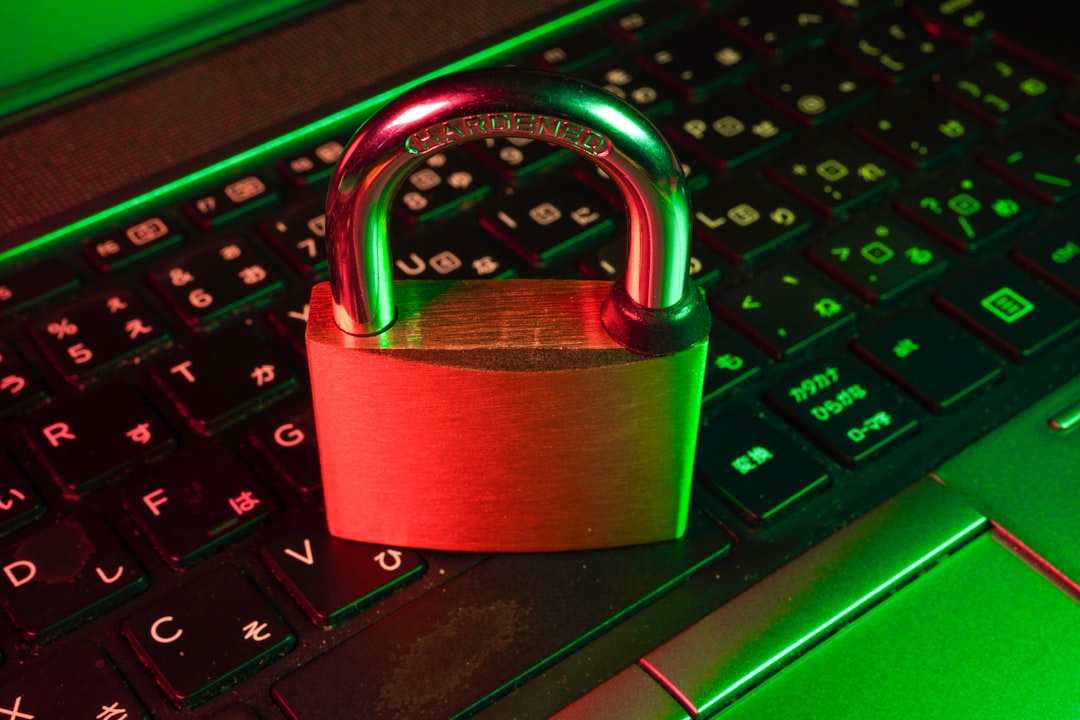
Payment security is crucial in today’s digital landscape, especially in the online casino sector. Players expect their financial information to be protected from fraud and cyberattacks. As the internet grows, so do the tactics used by cybercriminals. Therefore, it is essential to implement robust security measures to gain players’ trust and enhance overall user experience.
Common Payment Methods in Online Casinos
Online casinos offer various payment methods catering to different user preferences. Understanding these options helps players make informed decisions while ensuring their payments are secure.
1. Credit and Debit Cards
Credit and debit cards are among the most commonly used payment methods in online casinos. Most casinos accept major card brands like Visa and MasterCard. Transactions are fast, but players should be aware of potential risks, including card skimming and phishing.
2. E-Wallets
E-wallets like PayPal, Skrill, and Neteller provide a more secure way to deposit and withdraw funds. They act as intermediaries, reducing the risk of exposing bank details directly to casinos. E-wallets also usually come with additional security measures including two-factor authentication.
3. Cryptocurrencies
With the rise of digital currencies like Bitcoin and Ethereum, many online casinos are now accepting cryptocurrencies. These payment methods are gaining popularity due to their anonymity and low transaction fees, but they come with their own set of challenges regarding security.
Implementing Advanced Security Measures
Online casinos must adopt a range of security measures to protect their systems and players. These measures will help mitigate risks associated with online transactions.
SSL Encryption
One of the most vital steps in protecting payment information is using SSL encryption. This technology encrypts data transferred between players and casinos, preventing unauthorized access during transactions. Casinos that use SSL protocol - Casino technologies transforming the gaming experience show their commitment to securing sensitive information.
Regular Security Audits
Conducting regular security audits helps identify vulnerabilities in the system. Online casinos should collaborate with third-party security experts to run these audits periodically, ensuring that their security infrastructure is up to date.
Fraud Detection Systems
To minimize fraudulent activities, casinos should implement advanced fraud detection systems. These systems analyze user behavior and transaction patterns, flagging any suspicious activities for further review. This real-time monitoring helps in preventing potential losses.
Regulatory Compliance
Adhering to regulatory standards is essential for online casinos. Compliance not only ensures player protection but also enhances the casino’s credibility and reputation.
Licensing and Regulation
Online casinos must obtain licenses from reputable authorities to operate legally. These regulatory bodies enforce strict measures to protect players, including payment security protocols. Players are advised to check the licensing information before engaging with a casino.
Responsible Gambling
Payment security also aligns with promoting responsible gambling. Casinos should implement features that allow players to set limits on their spending, ensuring that users are protected from gambling addiction.
Conclusion: A Safe Gambling Environment
In conclusion, payment security is a critical aspect of the online casino experience. By employing advanced security measures, adhering to regulatory standards, and promoting responsible gambling, casinos can create a secure environment for their players. This not only builds trust but also enhances the overall gaming experience.
- Ensure your casino uses SSL encryption.
- Choose payment methods wisely, opting for e-wallets or cryptocurrencies.
- Check for licensing information to ensure regulatory compliance.